How to Prepare a Sweater Tech Pack
A guide to preparing a sweater tech pack with product sketch, measurements, yarn, gauge, trims, labels and packing information.
1. Overview
A guide to preparing a sweater tech pack with product sketch, measurements, yarn, gauge, trims, labels and packing information. This guide walks you through the manufacturing journey with Licheng Knitwear.
Buyer Guide Content
Product sketch and reference
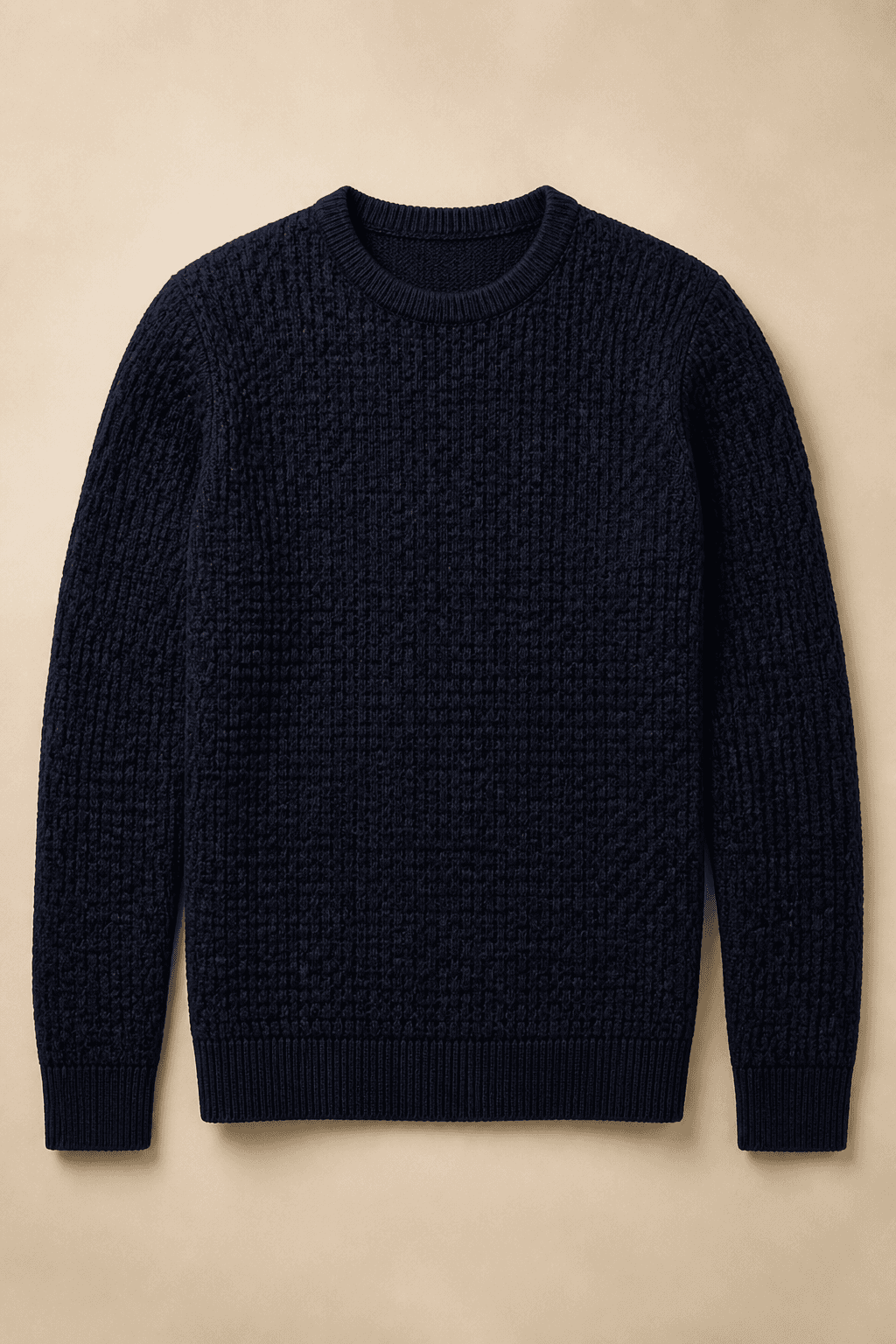
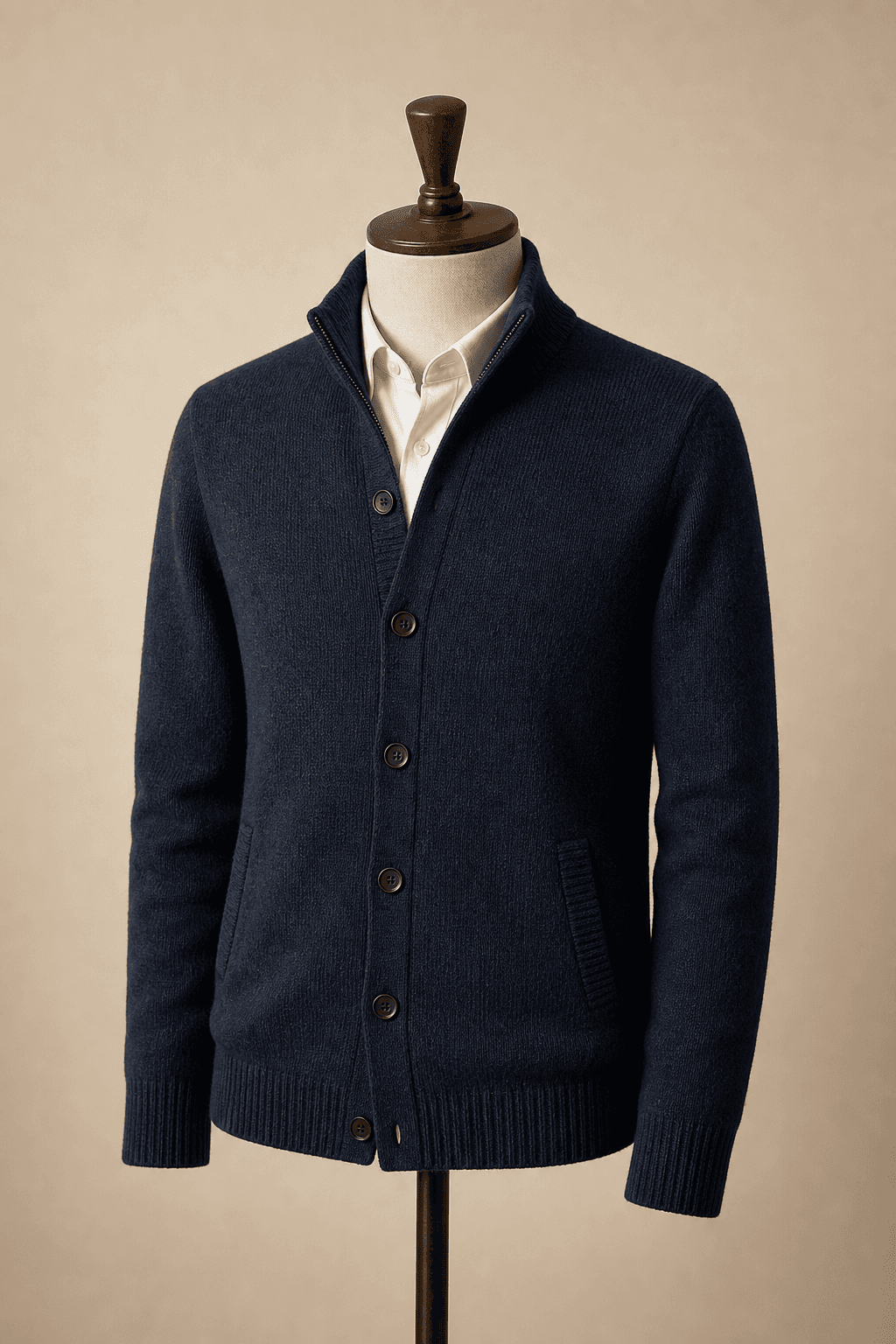
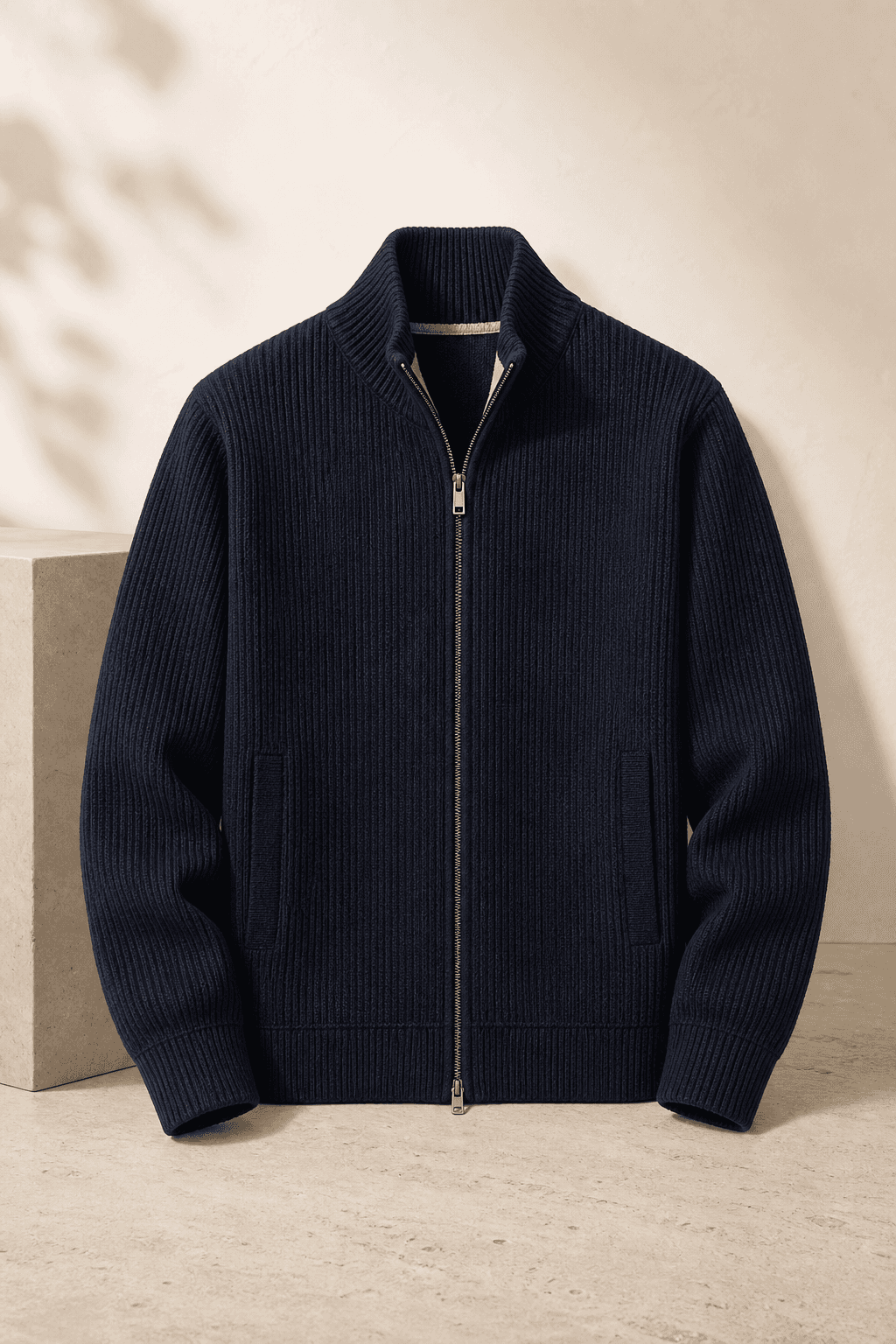
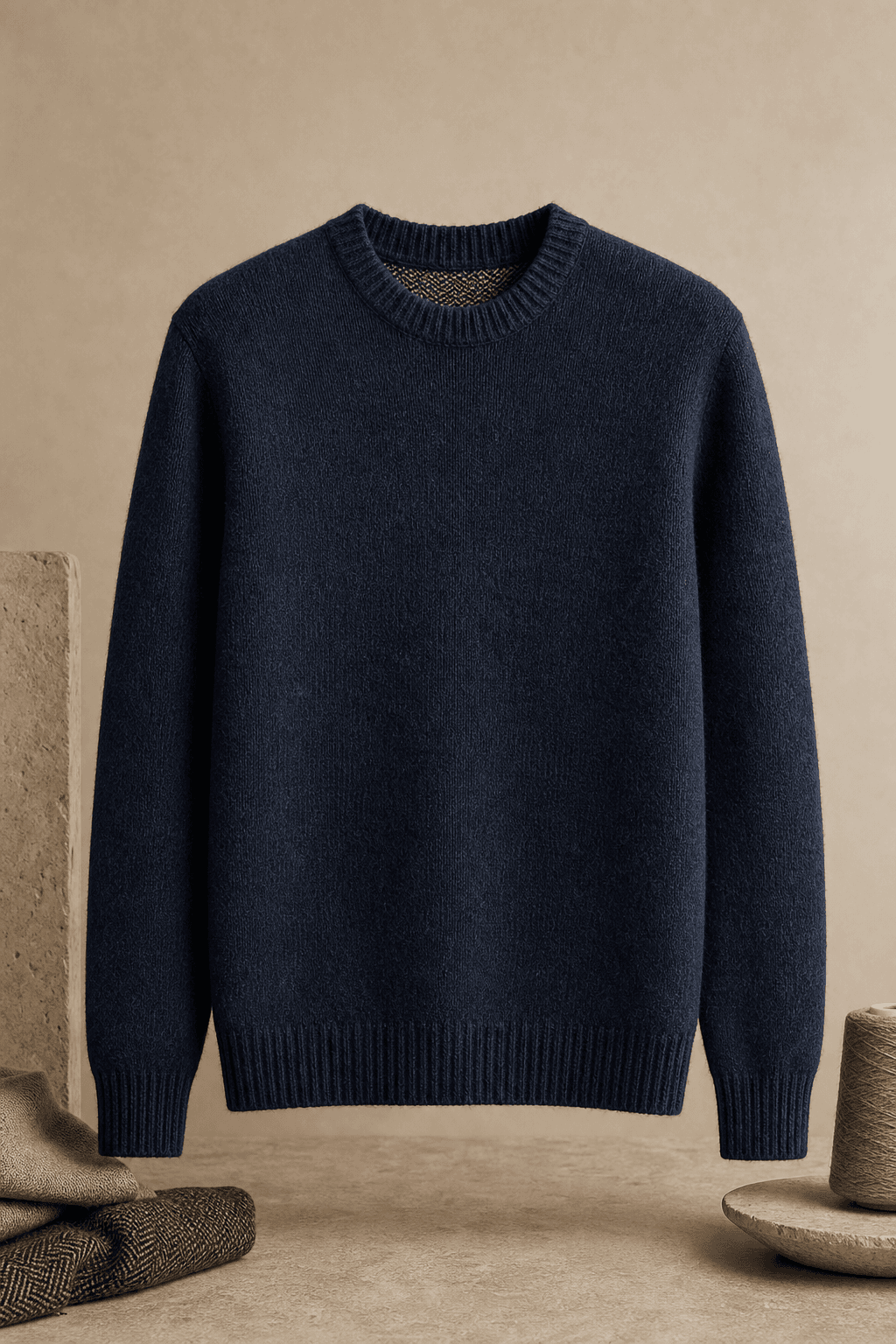
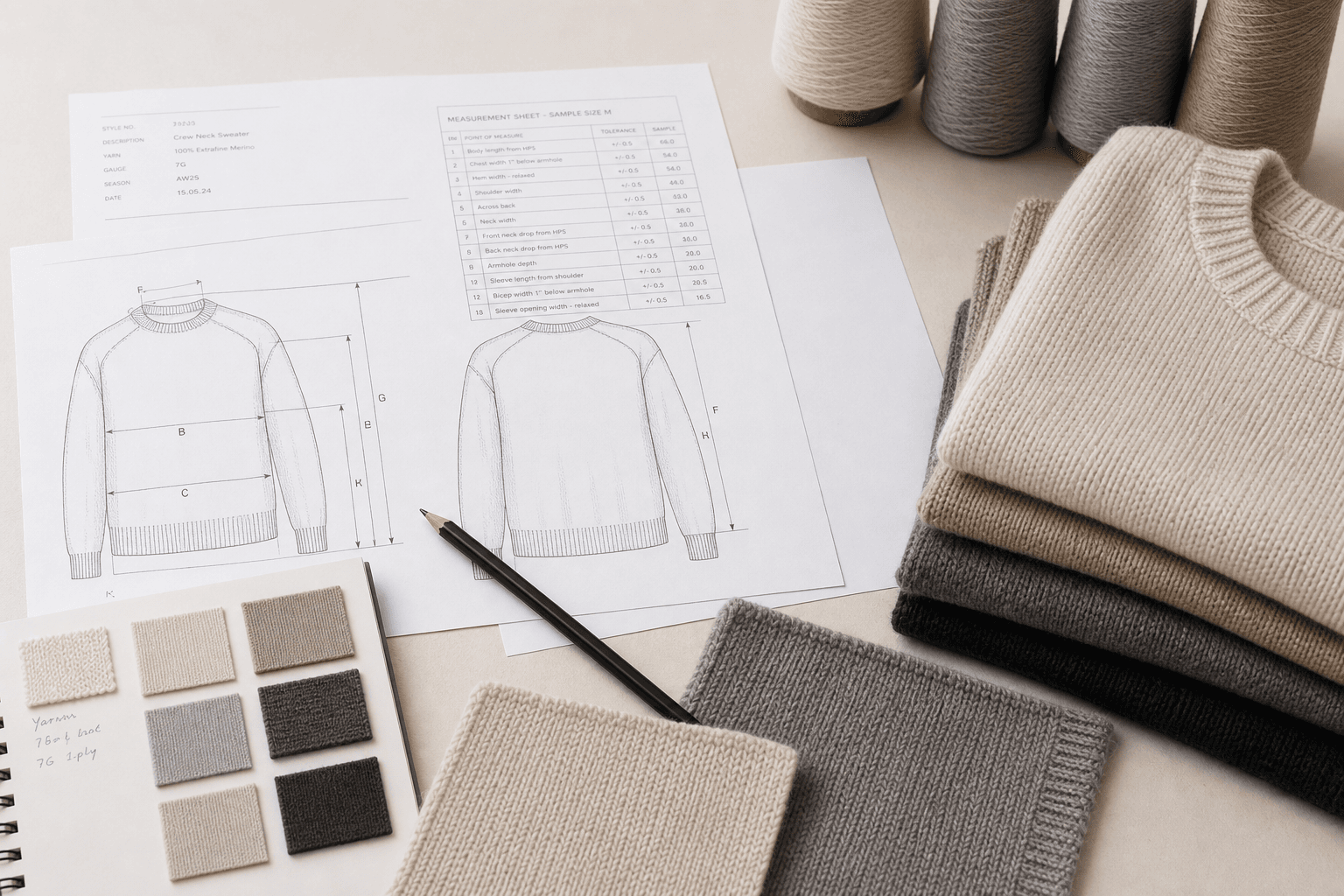
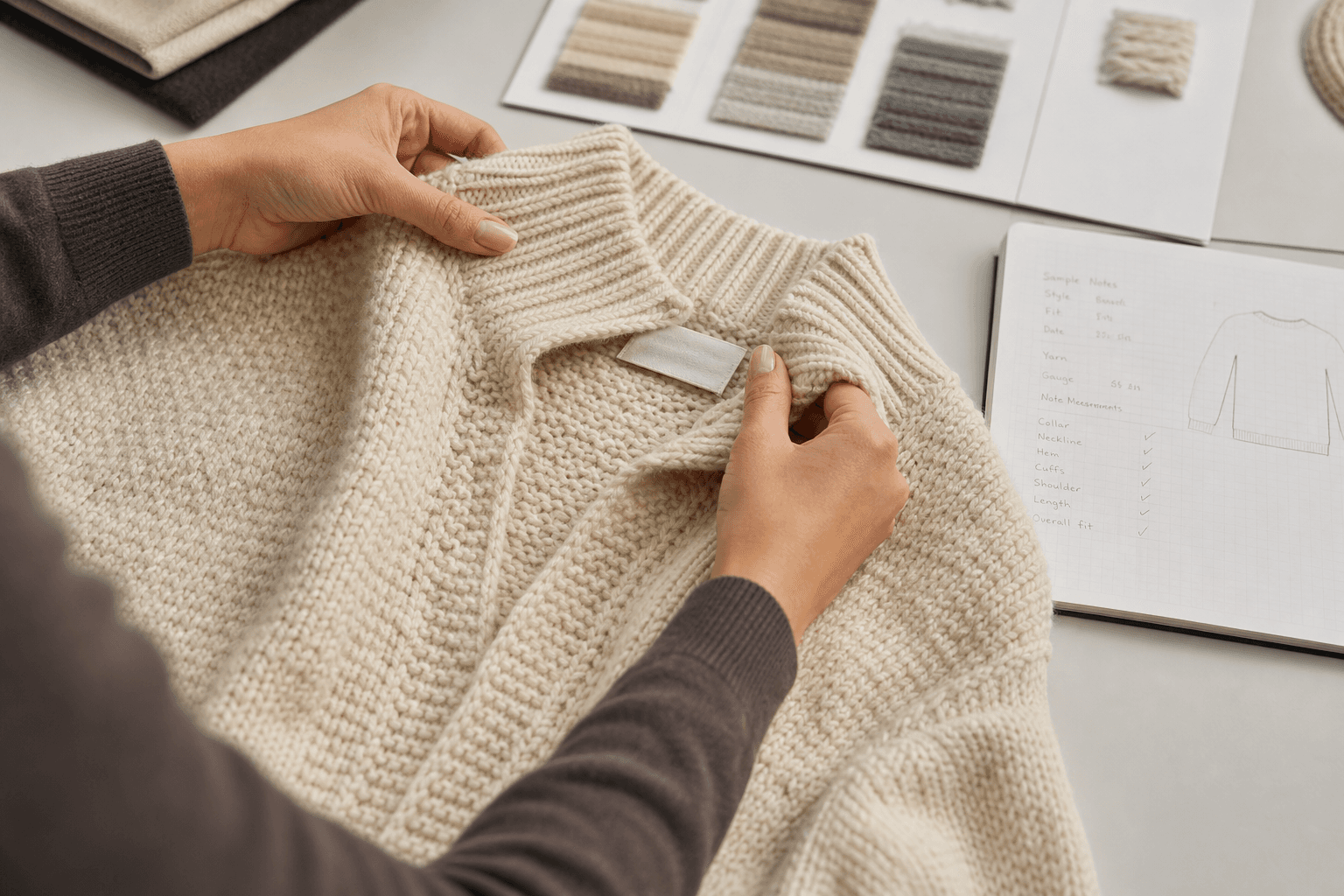
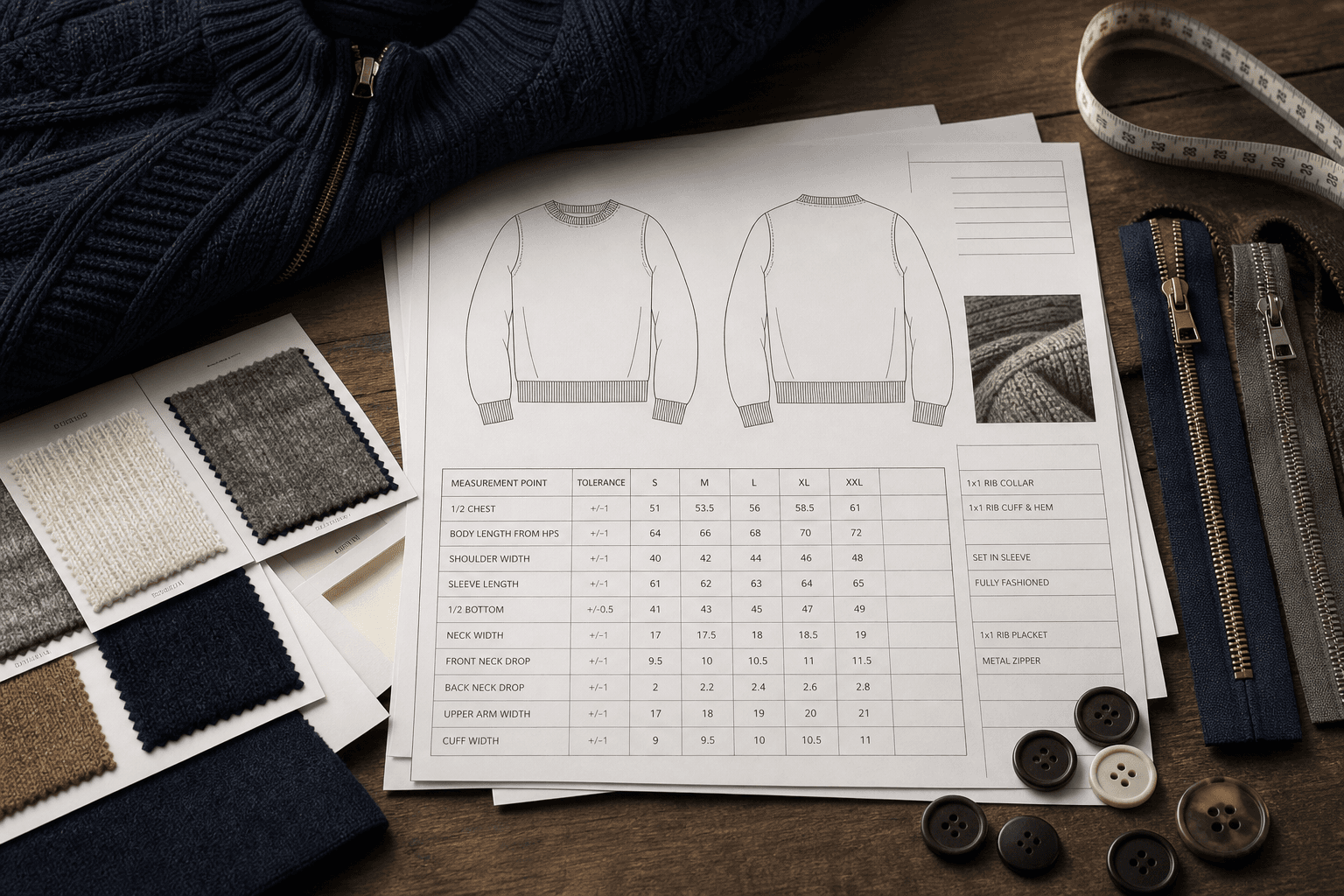
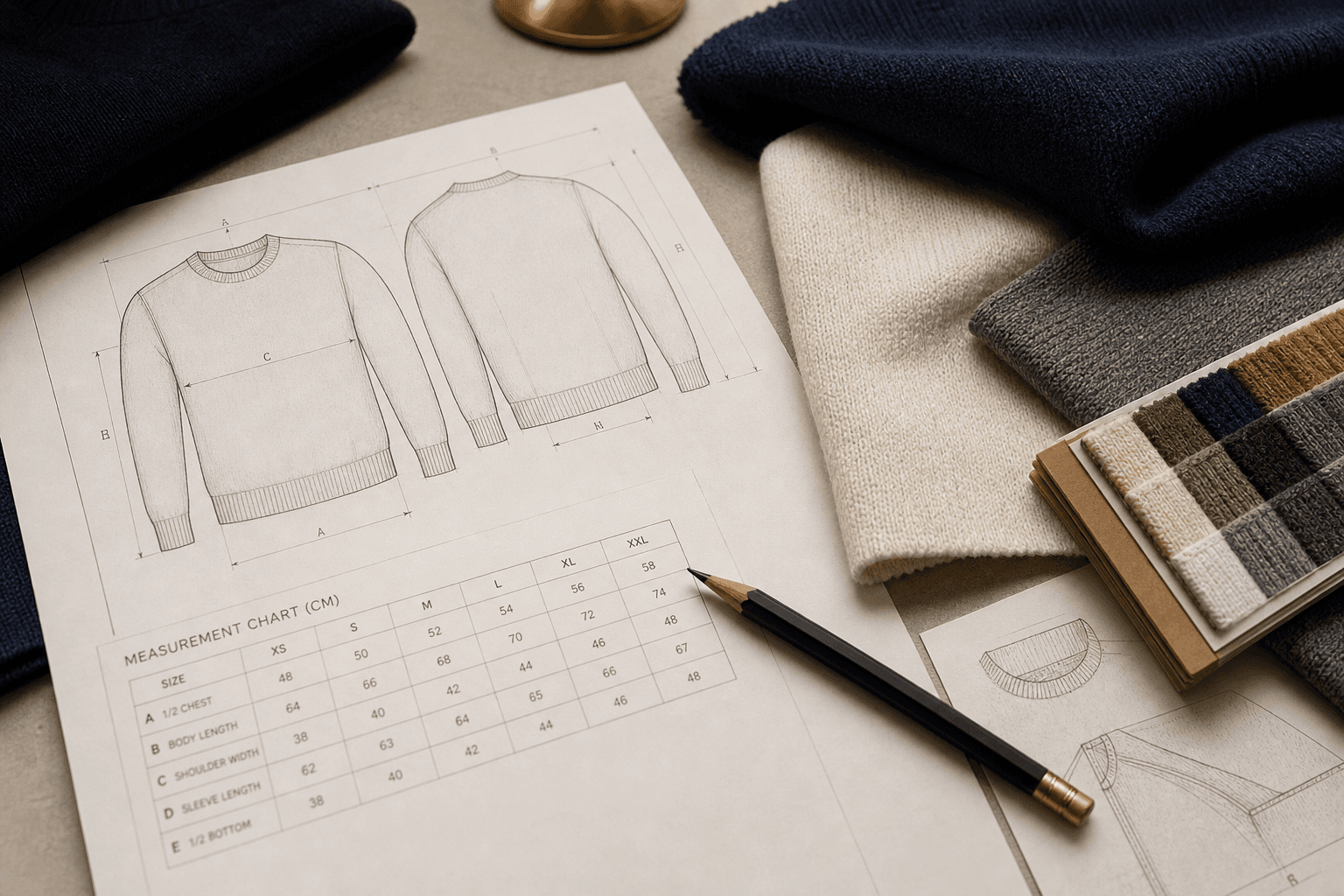
A sweater tech pack should start with a clear product sketch or reference photos. Front, back and detail views help the factory understand neckline, sleeve, hem, pocket, placket and stitch direction. If the buyer only has a photo, notes about what to keep or change are very helpful.
Measurements and fit
The size chart is one of the most important parts of the tech pack. Include base size measurements, grading rules if available and any critical fit notes. For knitwear, rib recovery, sleeve shape and body length can change the final feel, so these points should be reviewed during sampling.
Yarn, gauge and stitch
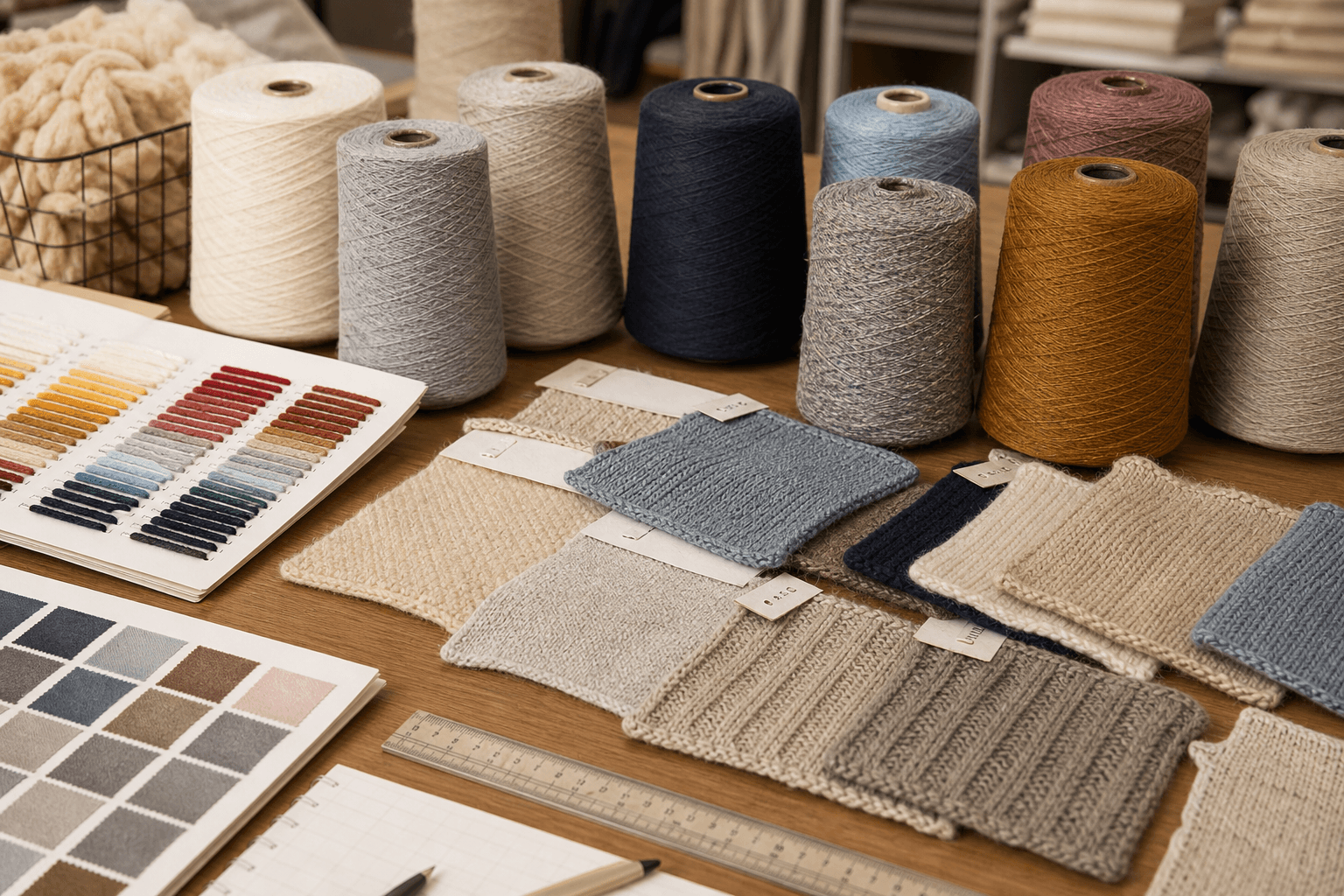
The tech pack should specify target yarn composition, gauge and stitch structure if known. If these are not confirmed, provide the desired hand feel, weight and target price. The factory can then suggest yarn and gauge options for sample development.
Trims, labels and packaging
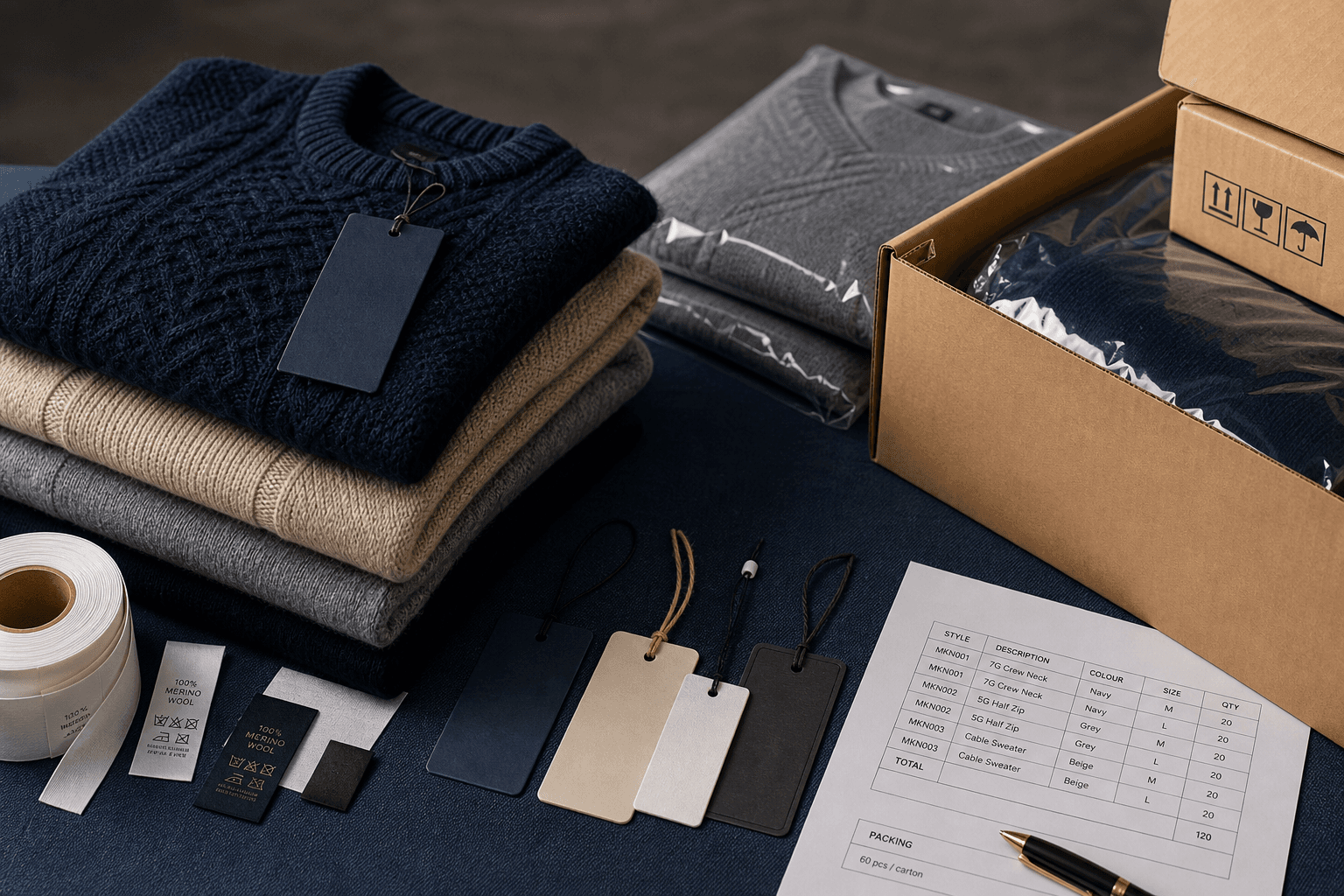
Buttons, zippers, embroidery, woven labels, care labels, hangtags and packaging should be included when available. Private label buyers should provide artwork files and placement instructions. These details affect both sample timing and final production preparation.
Sample comments
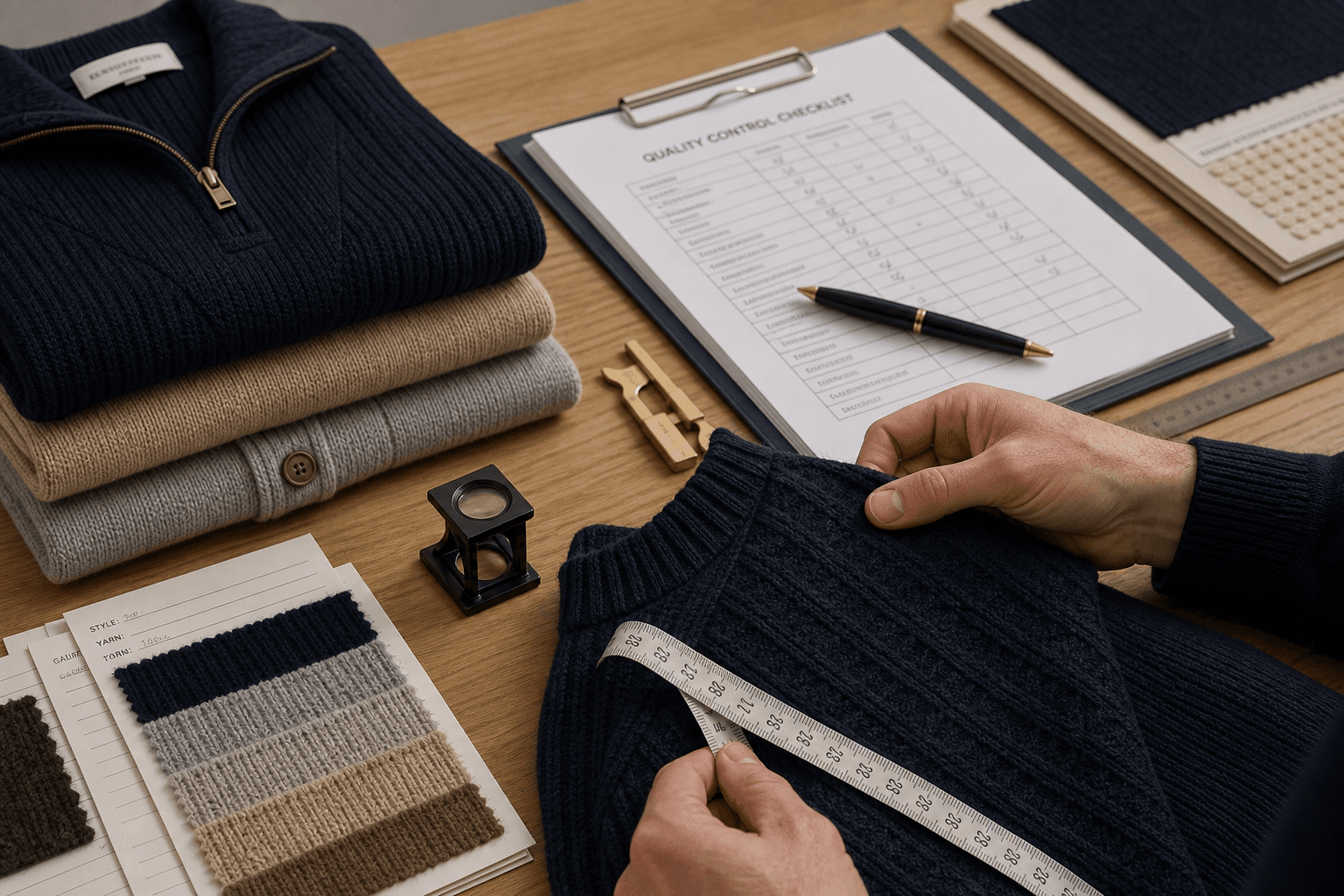
After the first sample, comments should be specific and measurable. Instead of saying the sweater feels wrong, explain whether the body is too wide, sleeves too long, rib too loose or yarn too heavy. Clear comments reduce revision cycles and improve production readiness.
2. The Custom Knitwear Process
A clear development flow keeps samples, costing and bulk production aligned before your order moves forward.
1. Inquiry
Share your idea, tech packs and requirements.
2. Design & Yarn Selection
We recommend yarns and create an initial direction.
3. Sampling
Develop samples for fit, look and function.
4. Production
Bulk production with stage-based quality control.
3. Materials & Yarn Selection
The right yarn defines handfeel, performance and durability. Material choice can be adjusted by season, market and target price.
Natural Fibers
Wool, cotton, cashmere and silk directions
Blended Yarns
Wool blends, cotton blends and acrylic blends
Responsible Yarn Options
Organic cotton and recycled fiber discussions
Performance Yarns
Merino, anti-pilling and functional yarn directions
4. Design & Development
From reference photos to tech packs and pattern review, our team helps turn ideas into a manufacturable knitwear direction.
- Design consultation
- Tech pack and specification support
- Pattern and structure review
- Jacquard, intarsia and custom detailing
Quality is not only one step in the process. It is checked throughout development and production.
20+
Years Experience
500+
Global Clients
98%
On-time Delivery
5. Sampling & Approval
Plan each detail clearly before bulk production to reduce risk and improve buyer communication.
- Proto sample
- Fit sample
- Pre-production sample
6. Production & Quality Control
Plan each detail clearly before bulk production to reduce risk and improve buyer communication.
- Knitting, linking and finishing
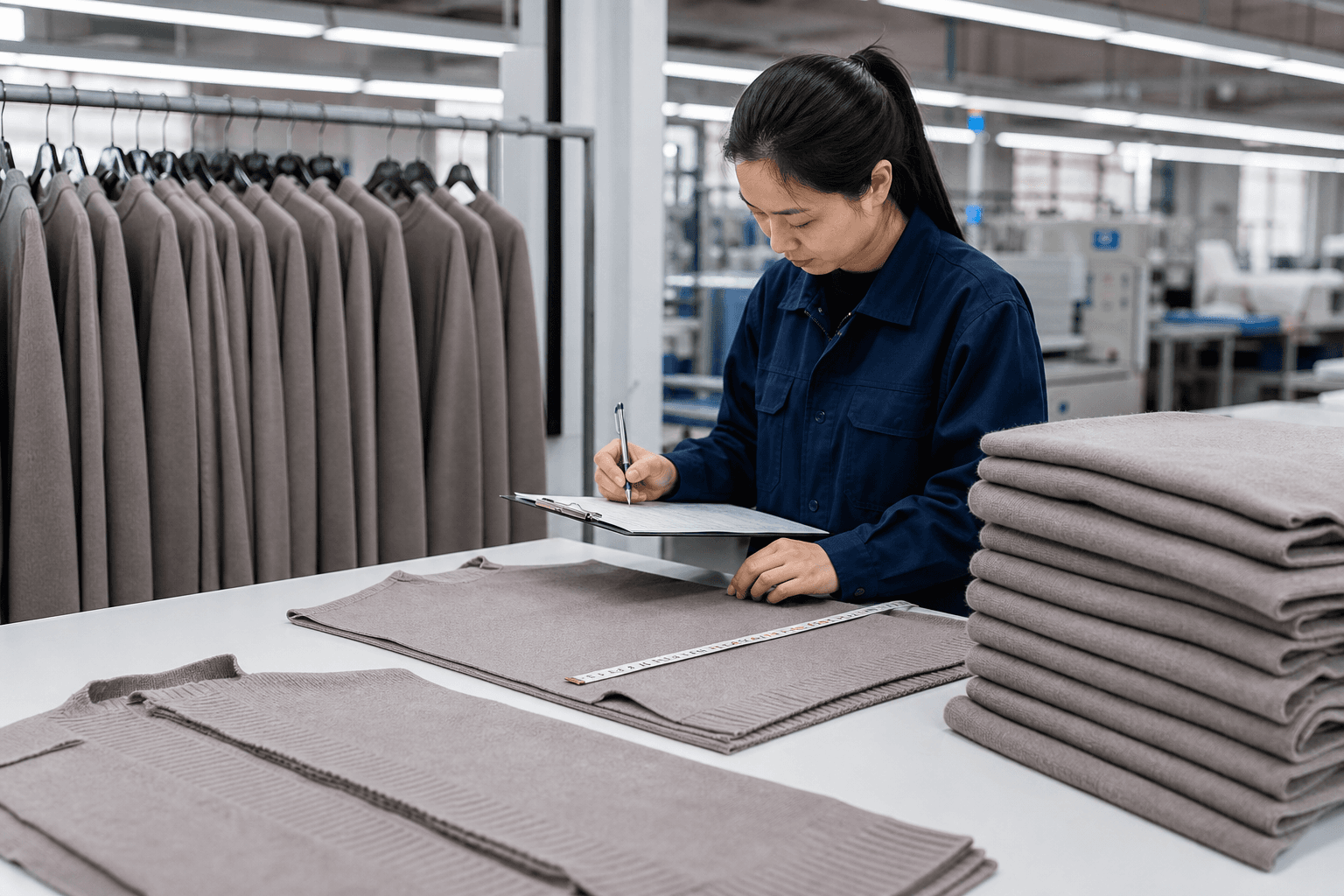
- In-line and final inspection
- Stage-based QC process
7. Packaging & Delivery
Plan each detail clearly before bulk production to reduce risk and improve buyer communication.
8. Costs & Lead Times
Cost and timeline depend on yarn, gauge, construction, color count, quantity and packaging requirements.
MOQ
Reviewed by style, yarn and project
Sample Lead Time
Confirmed after material and gauge review
Bulk Lead Time
Confirmed by quantity and production plan
9. Best Practices for Success
Use these practical points to make sampling and bulk production easier to manage.
Clear Tech Packs