OEM vs ODM Knitwear: What Apparel Brands Should Know
A buyer-friendly explanation of OEM and ODM knitwear development and how apparel brands can choose the right path.
1. Overview
A buyer-friendly explanation of OEM and ODM knitwear development and how apparel brands can choose the right path. This guide walks you through the manufacturing journey with Licheng Knitwear.
Buyer Guide Content
What OEM means in knitwear
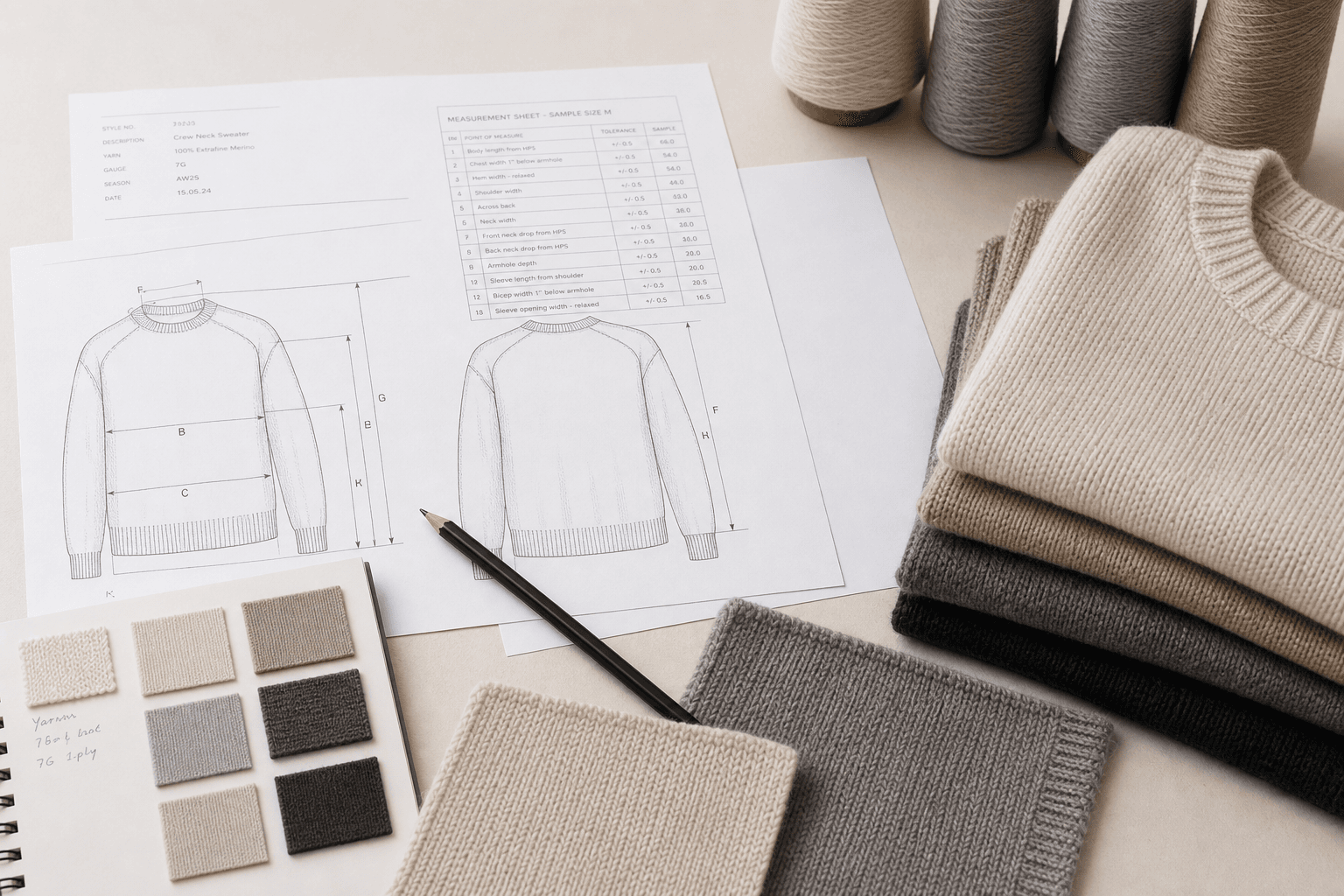
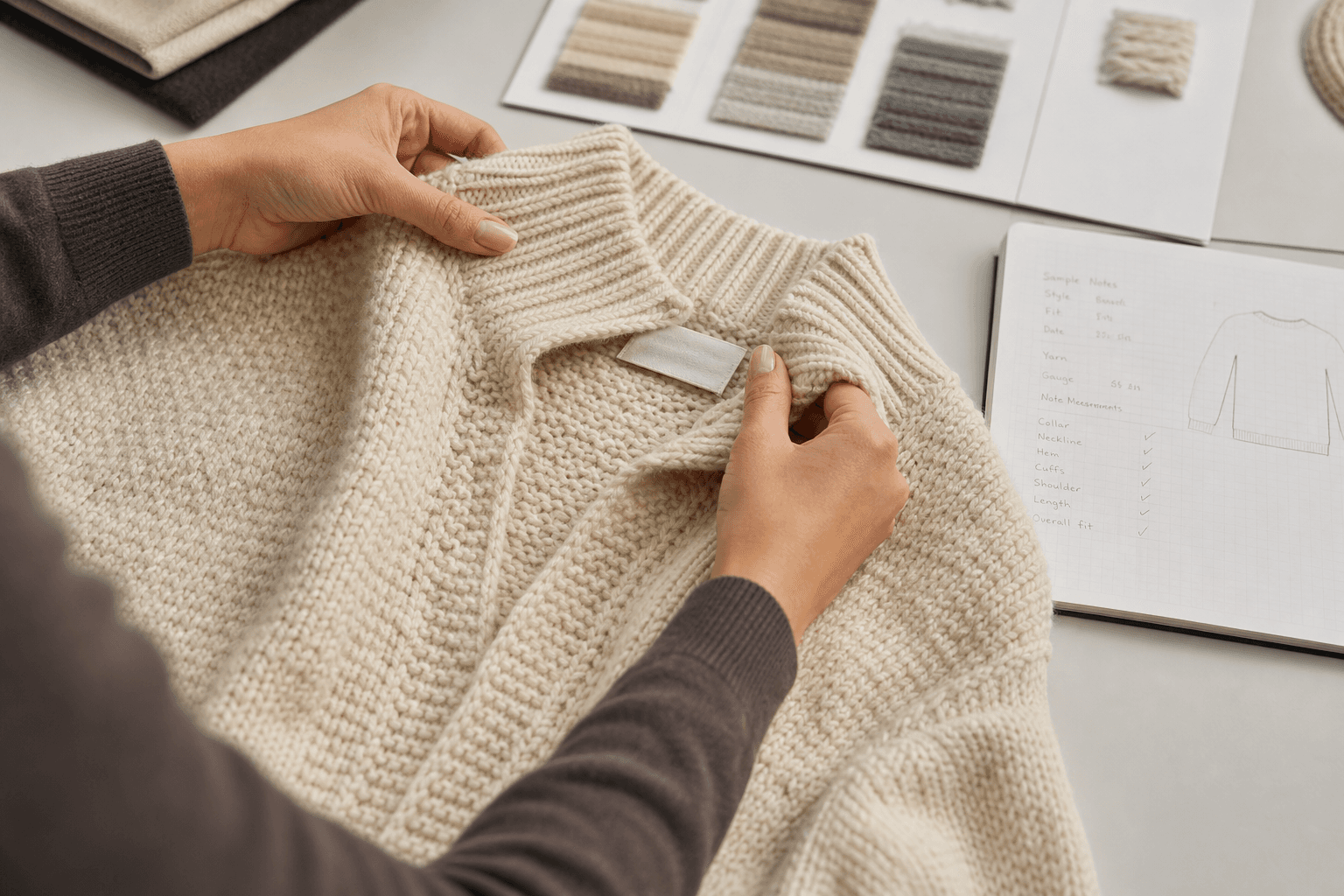
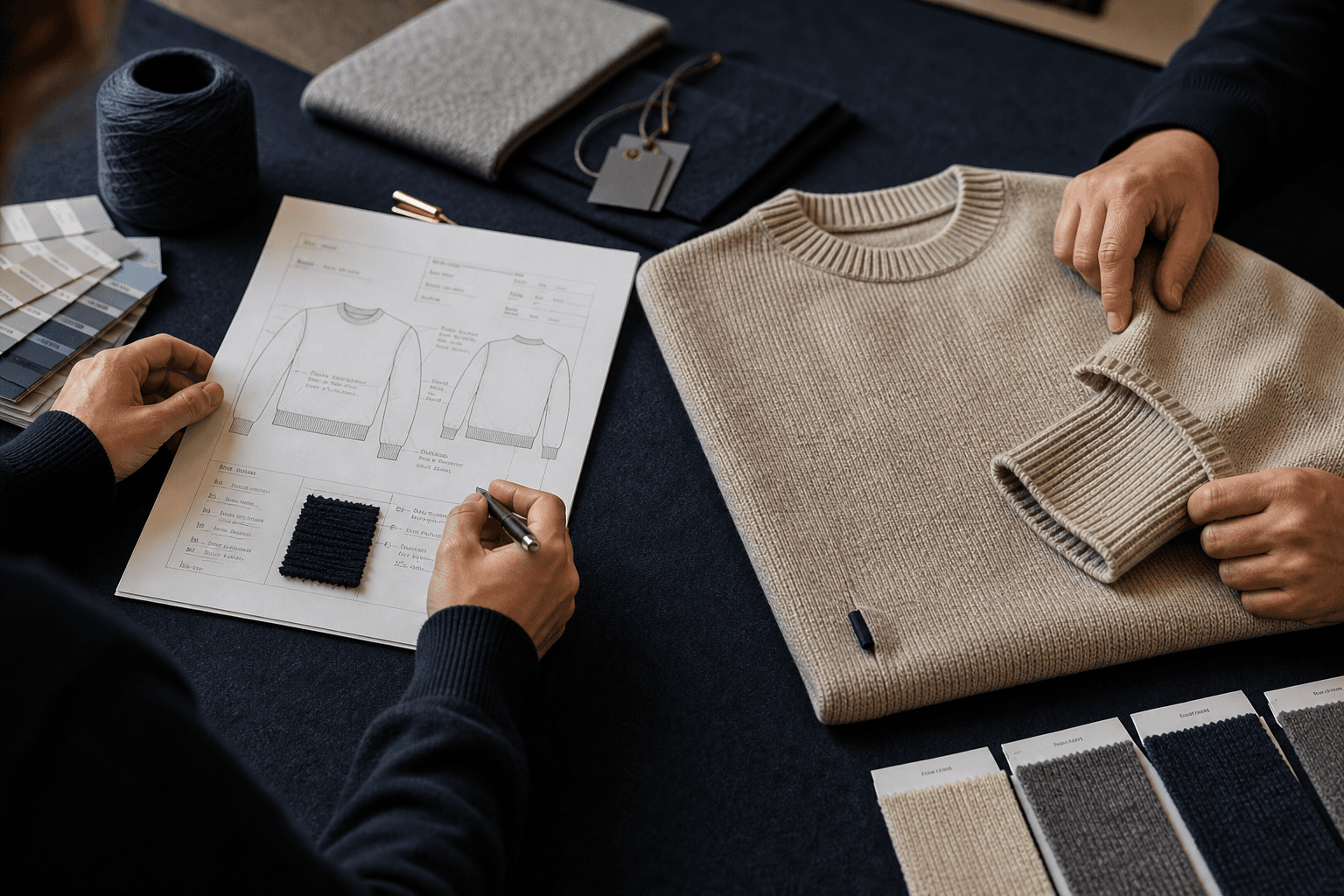
OEM knitwear usually means the buyer provides a design direction, tech pack, reference sample or detailed specification. The factory follows the buyer's requirements and helps translate those requirements into yarn, gauge, stitch, measurement and production planning. OEM works well when the brand already knows the final product direction.
What ODM means in knitwear
ODM knitwear usually starts from factory development ideas, ready sample directions or existing construction experience. The buyer can review a base style and then adjust yarn, color, fit, label and packaging. This route can be useful for smaller brands, wholesalers or e-commerce teams that want a faster starting point.
How to choose the right path
Choose OEM when the design identity, size chart and product specification are already defined. Choose ODM when the buyer needs product direction, material suggestions or a sample reference first. Some projects use both approaches: the first sample starts from an ODM base, then becomes a more specific OEM program after buyer feedback.
Quality control does not depend on the label
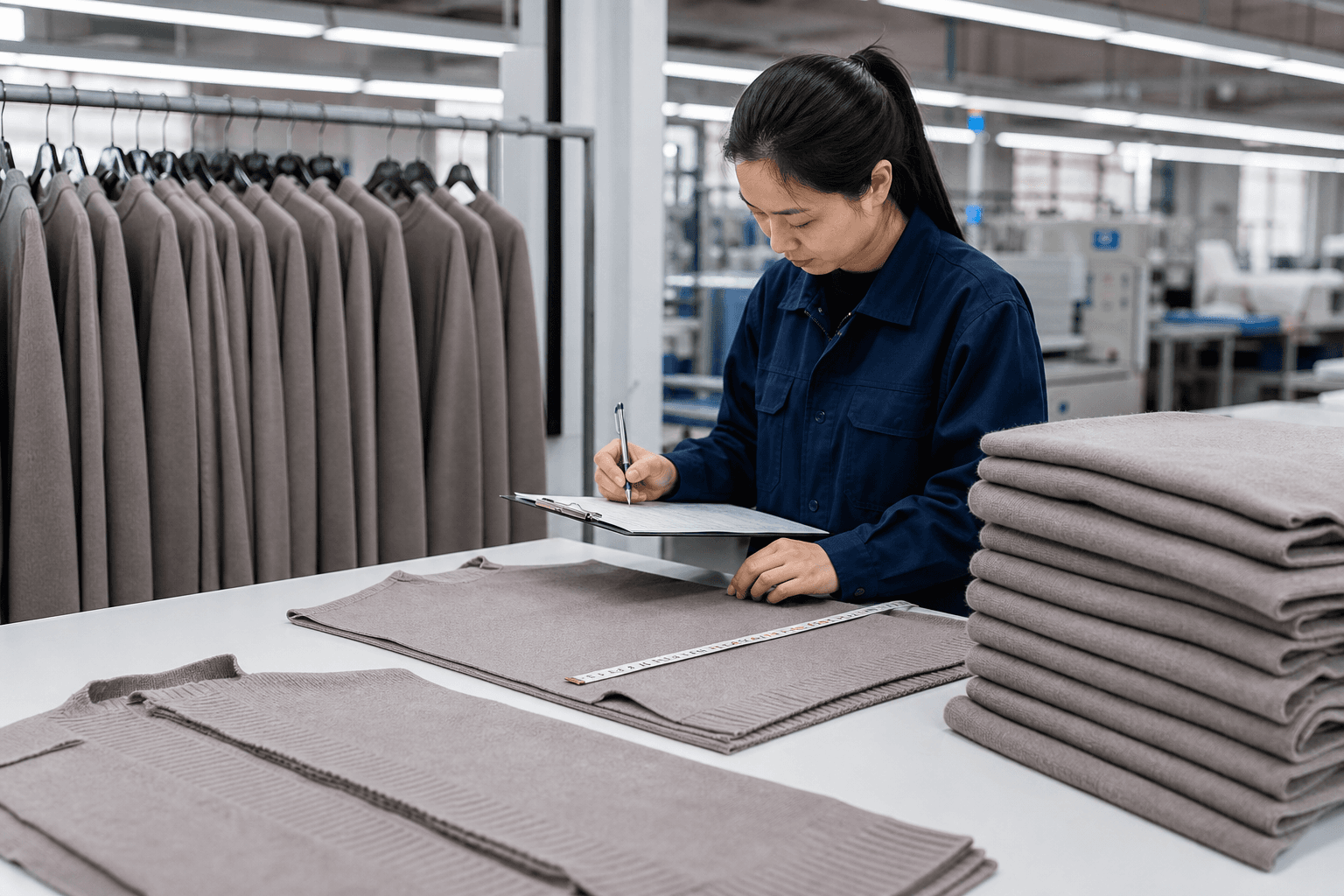
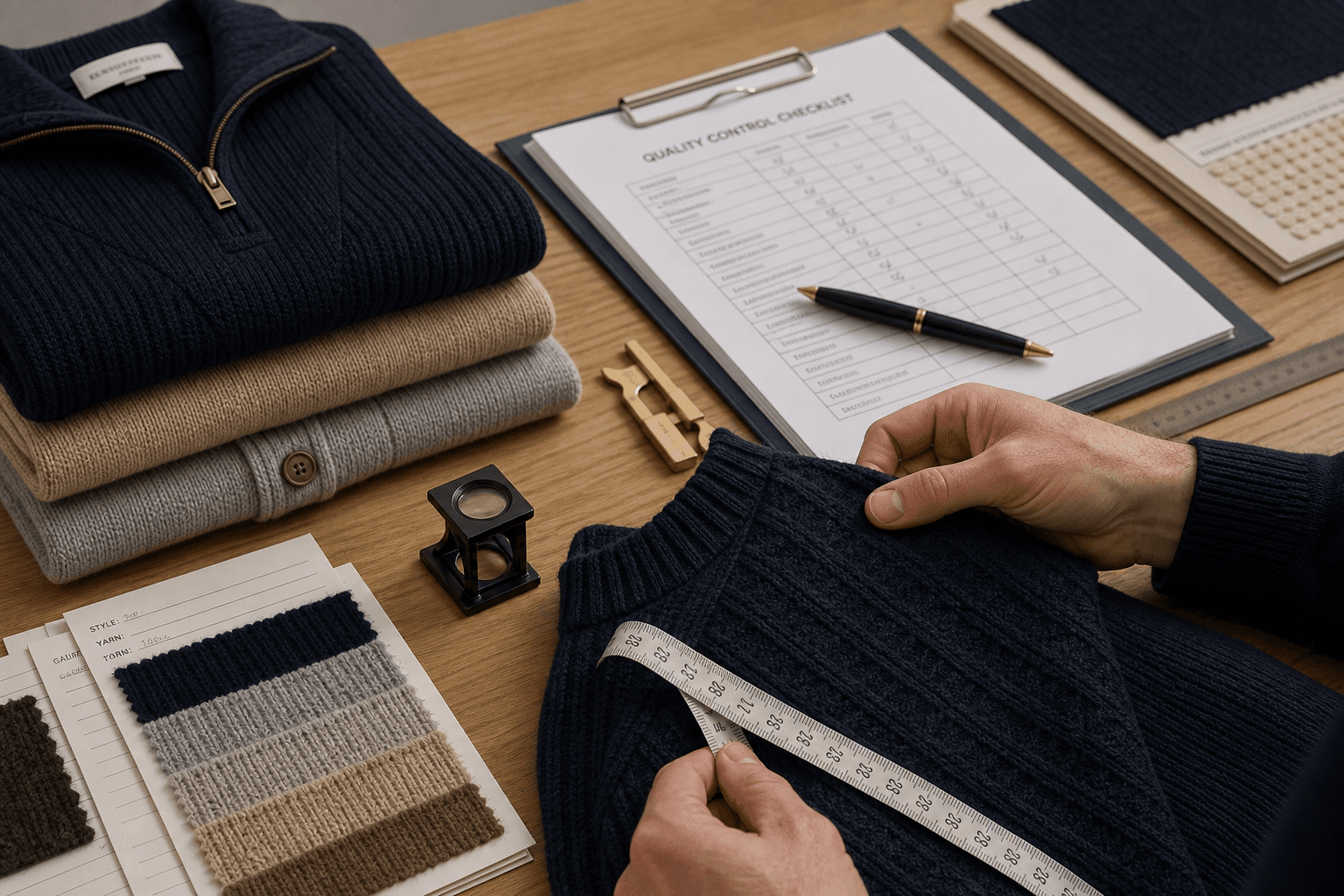
OEM and ODM both need measurement checks, workmanship review, finishing inspection and packing checks. The key is to define the inspection points before bulk production. Buyers should confirm size tolerance, appearance standards, label placement and packaging requirements before approving the bulk order.
Buyer tips
Share your target market, quantity, retail position and sample deadline early. If you already have a tech pack, send it with artwork and size chart files. If you do not, prepare a few reference photos and explain what you want to keep or change. This makes the OEM or ODM route easier to evaluate.
2. The Custom Knitwear Process
A clear development flow keeps samples, costing and bulk production aligned before your order moves forward.
1. Inquiry
Share your idea, tech packs and requirements.
2. Design & Yarn Selection
We recommend yarns and create an initial direction.
3. Sampling
Develop samples for fit, look and function.
4. Production
Bulk production with stage-based quality control.
3. Materials & Yarn Selection
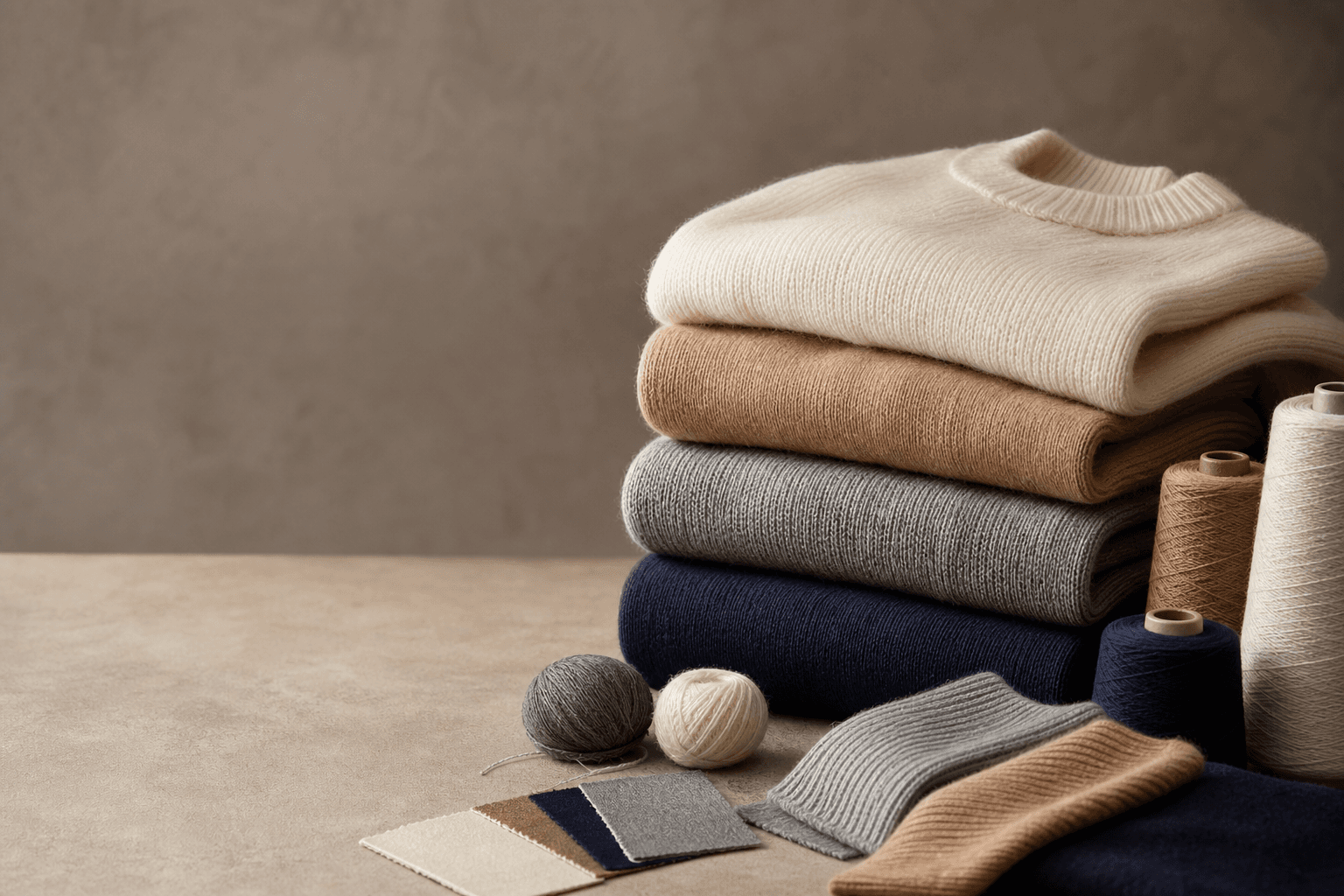
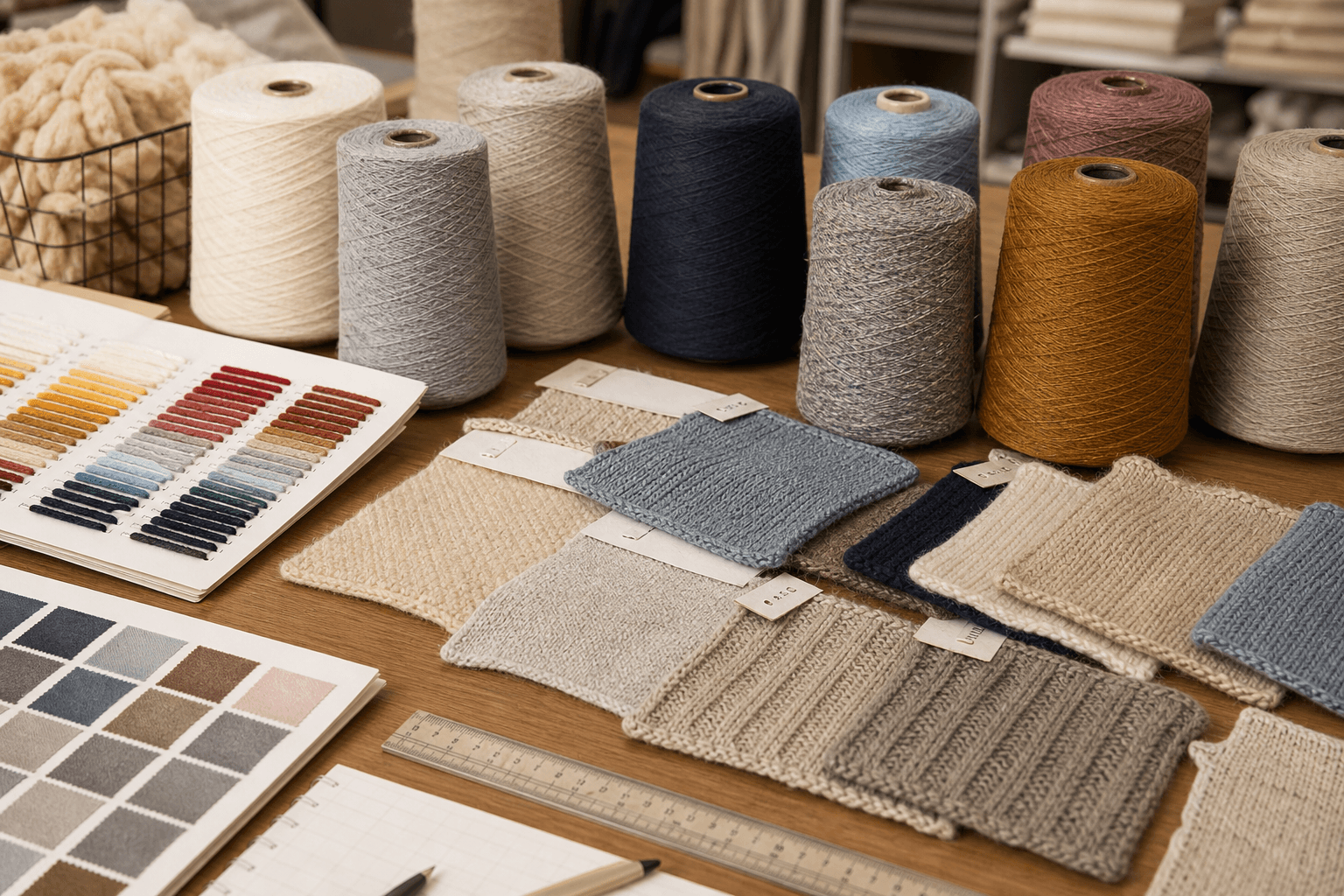
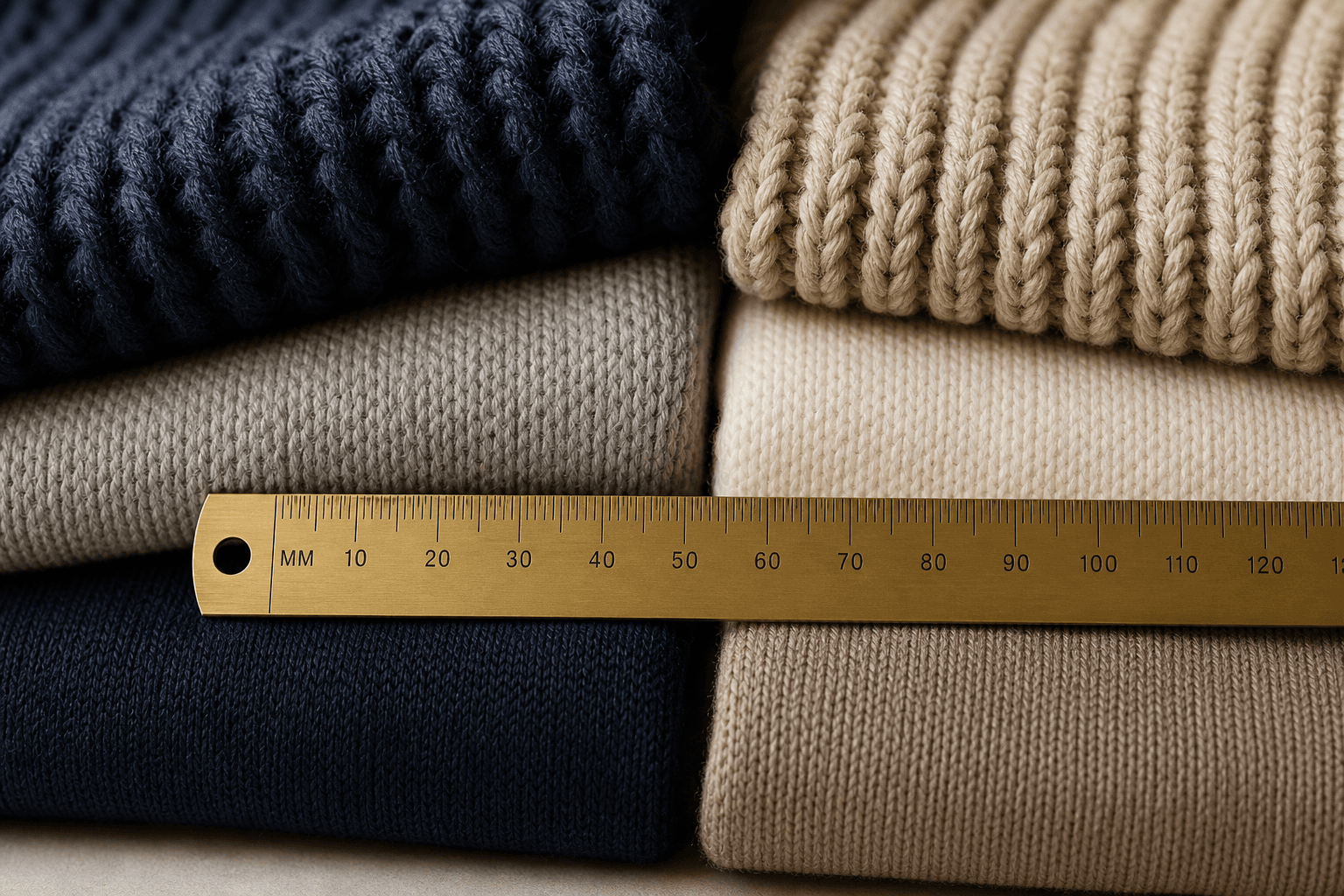
The right yarn defines handfeel, performance and durability. Material choice can be adjusted by season, market and target price.
Natural Fibers
Wool, cotton, cashmere and silk directions
Blended Yarns
Wool blends, cotton blends and acrylic blends
Responsible Yarn Options
Organic cotton and recycled fiber discussions
Performance Yarns
Merino, anti-pilling and functional yarn directions
4. Design & Development
From reference photos to tech packs and pattern review, our team helps turn ideas into a manufacturable knitwear direction.
- Design consultation
- Tech pack and specification support
- Pattern and structure review
- Jacquard, intarsia and custom detailing
Quality is not only one step in the process. It is checked throughout development and production.
20+
Years Experience
500+
Global Clients
98%
On-time Delivery
5. Sampling & Approval
Plan each detail clearly before bulk production to reduce risk and improve buyer communication.
- Proto sample
- Fit sample
- Pre-production sample
6. Production & Quality Control
Plan each detail clearly before bulk production to reduce risk and improve buyer communication.
- Knitting, linking and finishing
- In-line and final inspection
- Stage-based QC process
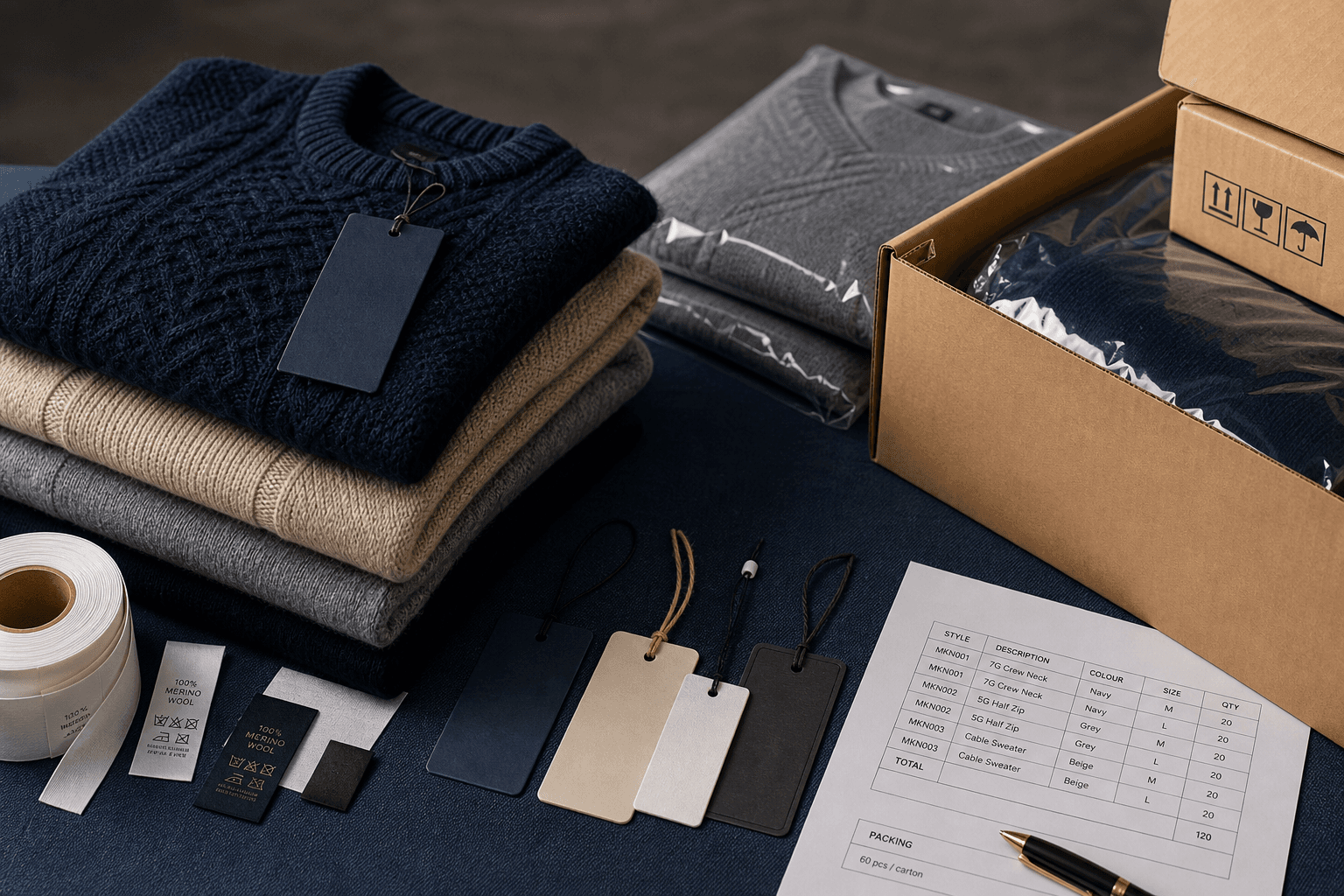
7. Packaging & Delivery
Plan each detail clearly before bulk production to reduce risk and improve buyer communication.
8. Costs & Lead Times
Cost and timeline depend on yarn, gauge, construction, color count, quantity and packaging requirements.
MOQ
Reviewed by style, yarn and project
Sample Lead Time
Confirmed after material and gauge review
Bulk Lead Time
Confirmed by quantity and production plan
9. Best Practices for Success
Use these practical points to make sampling and bulk production easier to manage.
Clear Tech Packs